


Eyelash Extensions With Glasses: Best Curls, Lengths & Mapping Tips
Learn how to create comfortable, glasses-friendly lash extensions with the right lengths, curls, and mapping techniques.

Stringy lash glue can quickly turn a professional lash appointment into a frustrating experience. It affects retention, application, and ultimately client satisfaction. Understanding what stringy glue is, why it happens, and how to prevent it is essential for every lash artist.
Stringy glue appears thick, sticky, and difficult to work with. If your adhesive starts forming long, gooey strings when you pull your tweezers away from the glue, it’s a clear sign that the formula is compromised. This could be due to the glue being expired, improperly stored, or simply reaching the end of its optimal performance.
Even if you’re using a glue ring, it’s normal for a drop of glue to become slightly stringy after about 15 minutes—just dispense a fresh drop. But if the glue is stringy straight from the bottle, it’s time for a replacement. Using compromised adhesive isn’t just unprofessional; it can be unsafe.
Stringy glue isn’t just harder to apply—it can directly impact lash retention and client safety.
Even glue that seemed fine yesterday can lose its effectiveness quickly. Using it can lead to uneven sets, premature lash fallout, and disappointed clients.
Check the DOP (Date of Production): Look on the bottom of the bottle or aluminum pouch.
Shelf Life: Adhesive is typically good for six months from the DOP, and once opened, it should be replaced every 4–6 weeks for best results.
Label Opened Bottles: Write the date you opened it on a piece of tape and set a reminder to replace it.
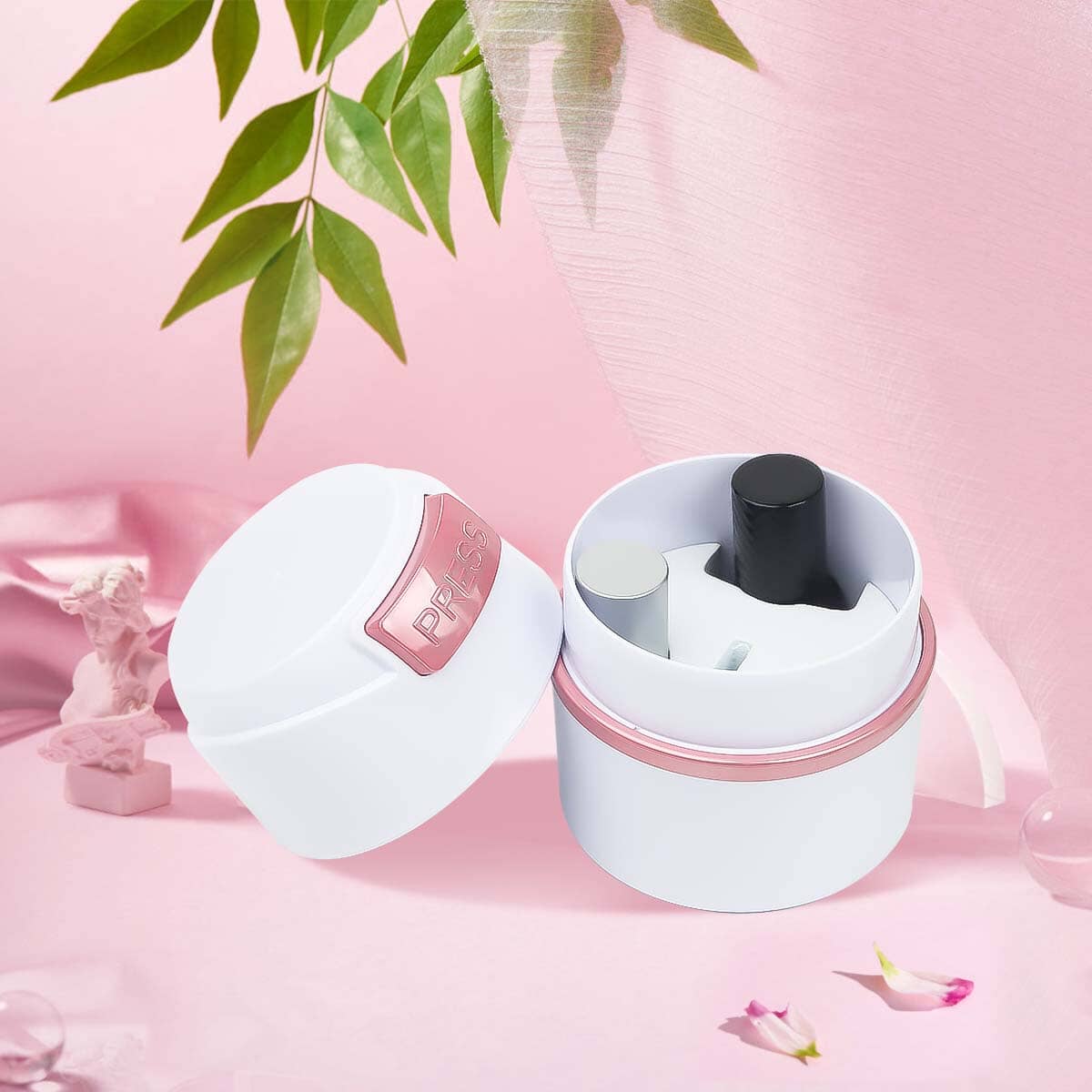
Unopened Glue: Keep it in its original packaging in a cool, dry place or fridge.
For Opened Glue: Never refrigerate; instead, store in an Eyelash Glue Storage Tank to prevent moisture and temperature fluctuations.
Use a Glue Shaker: This ensures ingredients are thoroughly mixed, maintaining consistent performance without manual effort.
Monitor the Environment: A digital hygrometer can help track humidity levels that might affect glue quality.
Customer service
info@veyelashfactory.comFollow us
Learn how to create comfortable, glasses-friendly lash extensions with the right lengths, curls, and mapping techniques.

VEYES Single-Use Primer Swabs combine primer and applicator in one pre-measured, hygienic swab for quick and easy lash prep.

Birdie Brown Lash combines a feather-light one-piece design, glueless base, and soft brown tone for an effortless, natural-looking lash effect.